Tag: https://linkm88my.com

I Won The Lottery When I Met You...
The phrase "I won the lottery when I met you" is one of the most romantic expressions used to convey profound gratitude for a partner's presence in one's life. It compares the rare, life-changing probability of hitting a jackpot with the statistical miracle of finding a true soulmate. Understanding its deeper sentiment reveals why this metaphor continues to resonate across different cultures and generations.
The Core Meaning Behind the Metaphor
At its heart, comparing a person to a winning lottery ticket emphasizes extreme good fortune and unexpected joy. Winning a jackpot is an event characterized by astronomical odds, making the phrase a declaration that finding your partner felt like a miraculous turn of luck. It suggests that no amount of financial wealth could match the emotional value brought into your life by that specific individual.
Furthermore, this sentiment underscores a deep sense of contentment and appreciation. Rather than relying on material success to feel fulfilled, the speaker acknowledges that the relationship itself is the ultimate prize. It transforms the concept of luck from monetary gain into lasting human connection and affection.
Popular Cultural and Media References
This evocative phrase appears frequently across pop culture, particularly in romantic music, television shows, and cinema. Songwriters often use the imagery of lotteries and jackpots to craft memorable lyrics about unexpected love. These artistic uses help solidify the phrase as a universal shorthand for romantic devotion.
In modern digital entertainment and gaming culture, luck metaphors remain equally prevalent among audiences exploring interactive platforms. For instance, users who enjoy mobile gaming entertainment through tools like the m88 apk often recognize how themes of chance and luck permeate both casual gaming and storytelling. This crossover highlights how deeply the concept of good fortune is ingrained in daily language and media.
Why the Expression Resonates in Relationships
Expressing gratitude through this phrase strengthens emotional bonds by making a partner feel exceptionally valued. It acknowledges that out of billions of people in the world, meeting this particular individual was a life-altering event. Couples frequently use it during anniversaries, wedding vows, or quiet moments of appreciation to reaffirm their commitment.
Psychologically, focusing on how lucky one feels in a relationship fosters positive sentiment and mutual respect. Recognizing a partner as a grand prize helps maintain romance over long periods. It reminds both individuals to cherish the relationship rather than taking each other for granted.
Modern Adaptations in Everyday Speech
In modern vernacular, the phrase has expanded beyond strictly romantic contexts to celebrate deep platonic friendships and family bonds. People often use variations of the sentiment to express gratitude for supportive mentors, loyal friends, or life-changing colleagues. Its flexibility allows anyone to express heartfelt gratitude whenever an unexpected connection brings immense joy.
Ultimately, whether used in romantic poetry, pop songs, or simple daily conversations, the expression endures because of its emotional honesty. It captures the overwhelming joy of finding someone special against all odds. It serves as a timeless reminder that true wealth is found in meaningful relationships.
How Classic Card Rooms Encouraged Direct Communication
The architecture of historic gambling halls played a crucial role in shaping interpersonal relationships and social behavior among participants. Long before digital networks modified how individuals engage with tabletop games, physical spaces were designed around the fundamental necessity of face-to-face interaction. Exploring these traditional environments highlights how specific structural choices helped minimize distractions and foster immediate verbal exchanges during a round.
The Shared Dynamics of the Circular Table Layout
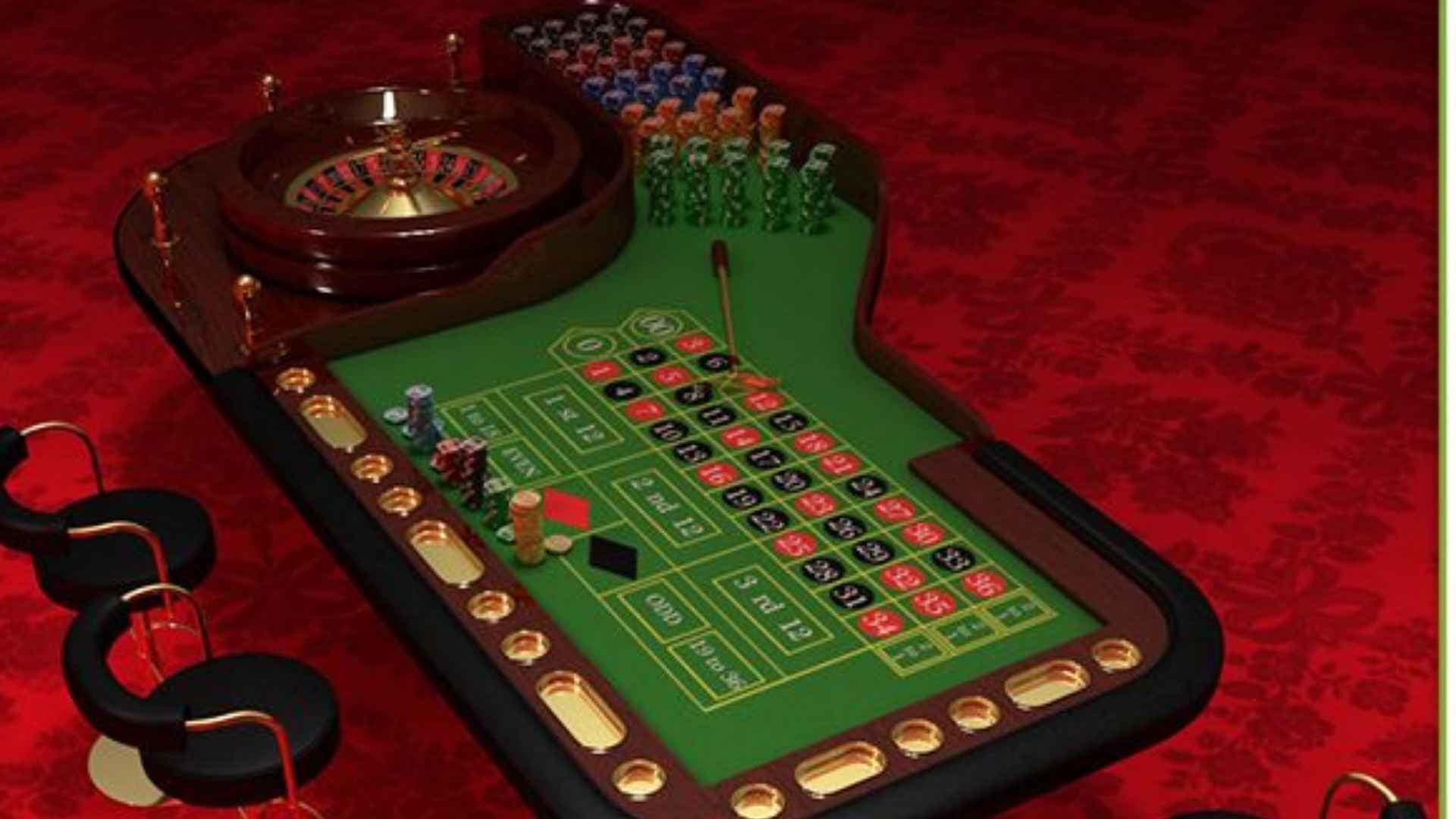
Classic card rooms utilized massive, curved wooden layouts to bring players into closer physical proximity with each other. This spatial arrangement ensured that every individual could easily monitor the expressions, gestures, and spoken declarations of their opponents without strain. By removing physical barriers, the table configuration turned a simple numbers game into a profound social exercise built on continuous observation.
Unlike modern gaming configurations that emphasize individual screens or isolated terminal seats, traditional layouts maximized collective engagement. Participants routinely engaged in polite banter, strategic negotiations, and subtle psychological assessment as the cards unfolded. This constant proximity naturally encouraged a unique level of accountability that is often absent in modern entertainment formats.
How Unwritten Rules Replaced Loud Distractions
Historic wagering salons maintained an environment of focused calm by implementing strict protocols regarding speech and public conduct. Verbal communication during a live match was kept precise, requiring players to state their tactical intentions clearly and transparently. These established behavioral guidelines prevented chaotic arguments while allowing meaningful dialogues to develop naturally over extended sessions.
The deliberate absence of loud automated machinery or flashing digital banners forced enthusiasts to rely entirely on human connection for their amusement. Individuals looking to bridge the gap between traditional setups and modern convenience can easily explore a diverse range of interactive options using an m88 apk to access contemporary tables. This integration preserves the fundamental principles of strategic calculation while utilizing streamlined platform mechanics to manage the rounds.
The Spatial Influence of High Stakes Alcoves
Early European and American gaming venues frequently separated premium card matches within secluded rooms or deeply recessed alcoves to foster an intimate atmosphere. This architectural separation protected the table from heavy foot traffic and ambient noise, allowing players to concentrate deeply on their shared interactions. The quiet nature of these spaces elevated casual pastimes into highly sophisticated social rituals where personal reputation carried immense weight.
Within these private enclaves, participants developed a mutual trust that extended far beyond the immediate financial wagers. The necessity of manual card distribution and direct vocal confirmation created a collaborative framework where every person contributed to the game rhythm. Ultimately, analyzing how classic card rooms operated reminds us that these historical spaces were fundamentally designed as vibrant communication hubs centered around shared human choices.