Bridge Techniques For Recognizing Hidden Card Patterns
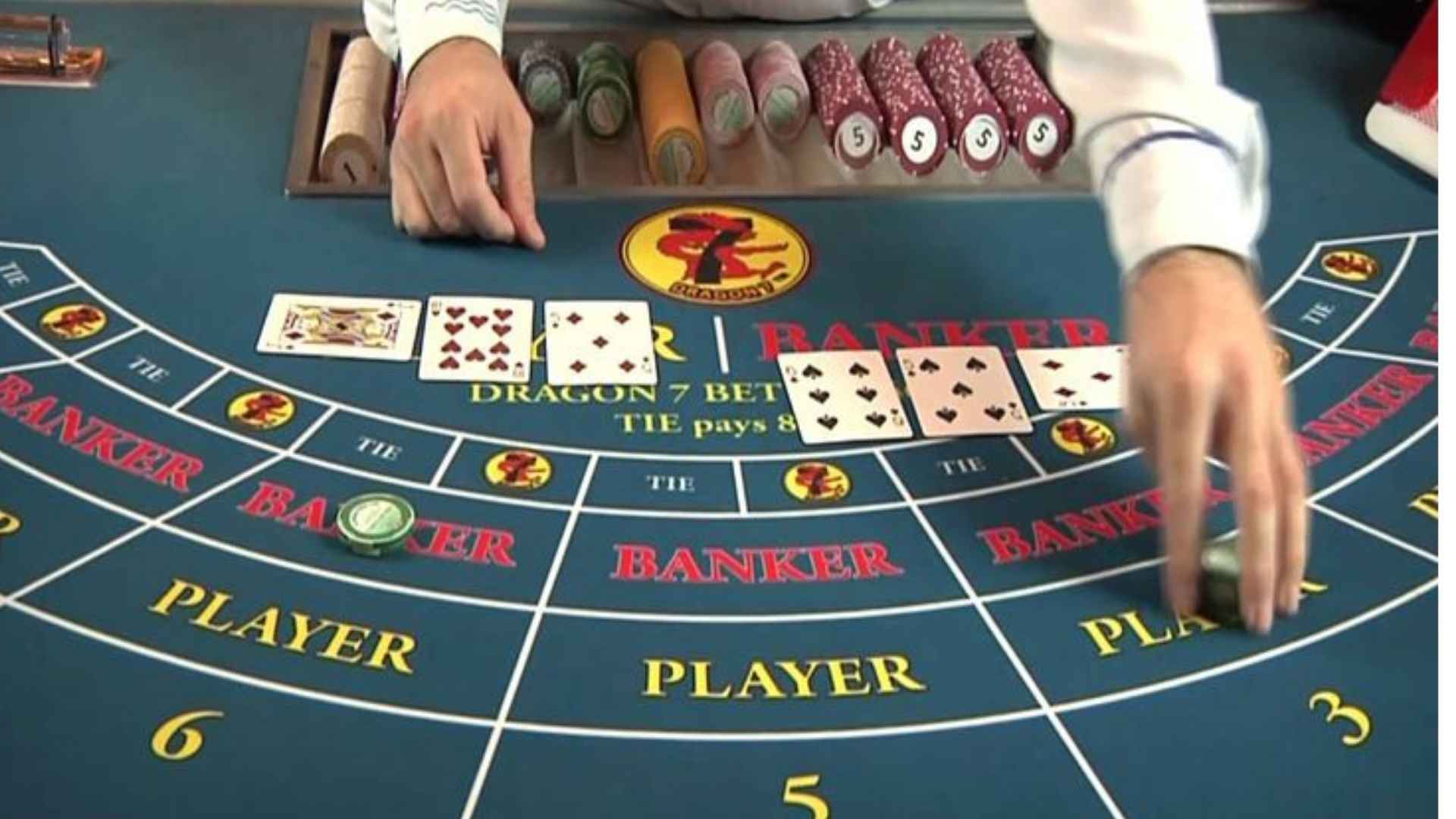
Mastering contract bridge requires more than memorizing basic rules and tracking high cards. Expert players develop a keen ability to uncover hidden card distributions by observing subtle bidding cues, play sequences, and table tempo. By learning to decode these concealed patterns, card players can anticipate defensive maneuvers and make highly accurate decisions at the table.
Analyzing Bidding Sequences for Distribution Clues
The auction phase provides a rich roadmap of how cards are distributed across opposing hands. When an opponent passes or makes a specific bid, they reveal critical boundaries regarding their high-card strength and suit lengths. Paying close attention to these early signals allows declarers to construct an accurate mental picture of unseen cards.
Refining these observational habits helps players evaluate probabilities before the first card is even played. Dedicated card enthusiasts who regularly check an m88 review often value logical deduction and structured strategy across various table games. Recognizing early bidding boundaries eliminates guesswork and sets up a clear plan for trick execution.
Counting Suits to Uncover Missing Honors
Tracking the remaining cards in each suit is one of the most effective ways to identify hidden holdings. As tricks unfold, updating suit counts reveals exact suit splits and pinpoints where key honors must reside. This systematic counting method transforms incomplete information into a clear map of the table.
When a defender fails to follow suit, the exact shape of the remaining hands becomes immediately obvious. Experienced players use this moment to recalculate missing honors and adjust their trick strategy. Consistently counting suits ensures that unexpected card placements do not derail your contract.
Reading Defensive Leads and Signaling Patterns
The choice of an opening lead offers valuable insights into the defender's hand structure. Standard defensive conventions dictate leading specific cards from honor combinations or long suits, giving declarers immediate information. Interpreting these opening moves correctly helps players locate key defensive strength early in the game.
As the hand continues, subtle signaling between defenders provides additional clues about suit preferences. Observing whether a opponent plays a high or low card on a trick helps deduce their remaining length in that suit. Decoding these defensive signals allows declarers to outmaneuver opposing strategies with precision.
Utilizing Inference and Logical Deduction
Inference plays a crucial role when direct clues about card distribution are absent. If a player holding strong suits refrains from bidding aggressively, you can infer a lack of general high-card values. Combining logical deductions with observed table dynamics allows you to locate hidden cards with remarkable accuracy.
Developing sharp deductive skills requires steady practice and active engagement during every trick. By synthesizing information from the auction, opening lead, and defensive plays, you can anticipate hazards before they occur. Mastering these advanced bridge techniques ultimately leads to consistent success and elevated gameplay quality.