Tag: https://www.m88linkmy1.com

How to Scan Lottery Tickets on Your Phone:...
Modern mobile technology has made verifying lottery tickets faster and more convenient than ever before. Official state lottery mobile applications allow players to turn their smartphones into instant barcode readers. Understanding how digital scanning works helps enthusiasts manage their tickets securely and ensure no winning prize goes unclaimed.
Setting Up the Official Lottery Application
To begin scanning paper tickets digitally, players must download the official app authorized by their local jurisdiction's lottery corporation. Third-party applications should generally be avoided to protect personal information and guarantee accurate result verification. Once installed, users typically need to grant camera permission so the software can process barcodes.
Creating a registered account within the app offers additional benefits like automatic ticket tracking and direct notification alerts. Many authorized platforms also provide digital safety tools similar to those found on global gaming portals like m88 login to keep player data secure. Taking a few moments to configure these basic settings ensures a smooth experience during routine checks.
Mastering the Scanning Process
When preparing to check a physical paper ticket, position the slip on a flat, well-lit surface to prevent glare. Open the app's scanner function and align your smartphone camera over the square barcode or barcode strip located near the bottom of the ticket. The scanning camera usually detects the code automatically and displays the validation status on the screen within seconds.
If the camera struggles to read the printed code, smooth out any creases or folds along the ticket paper. Dirty lenses or harsh overhead lighting can also interfere with the optical sensor's ability to process details accurately. Adjusting the distance between your device and the ticket often resolves scanning errors immediately.
Understanding Verification Results and Prizes
Once scanned, the mobile screen will display a clear message indicating whether the ticket is a winner and the associated prize tier. Smaller cash prizes can often be claimed or credited directly through connected digital payout features depending on local regulations. Larger jackpot wins will typically instruct the holder to contact an official claim center to finish identity verification.
It is important to remember that physical paper tickets remain the ultimate proof of ownership in most jurisdictions. Even after scanning a slip on your phone, sign the back of the physical paper immediately to secure your claim. Retaining the paper receipt until all funds are fully processed protects you against unexpected validation disputes.
Best Security Practices for Digital Ticket Management
Using digital tools simplifies ticket checking, but maintaining physical security remains vital for every participant. Never post uncropped images of unscanned barcodes on public social media accounts where others might attempt to copy the numbers. Store physical play slips in a safe location free from heat and moisture to prevent thermal paper degradation.
Checking tickets promptly after official drawing times prevents forgotten tickets from expiring in drawers or vehicles. Setting up recurring reminders on your phone helps establish a reliable tracking routine. Digital barcode scanning transforms a tedious manual check into a swift, reliable task for modern players.
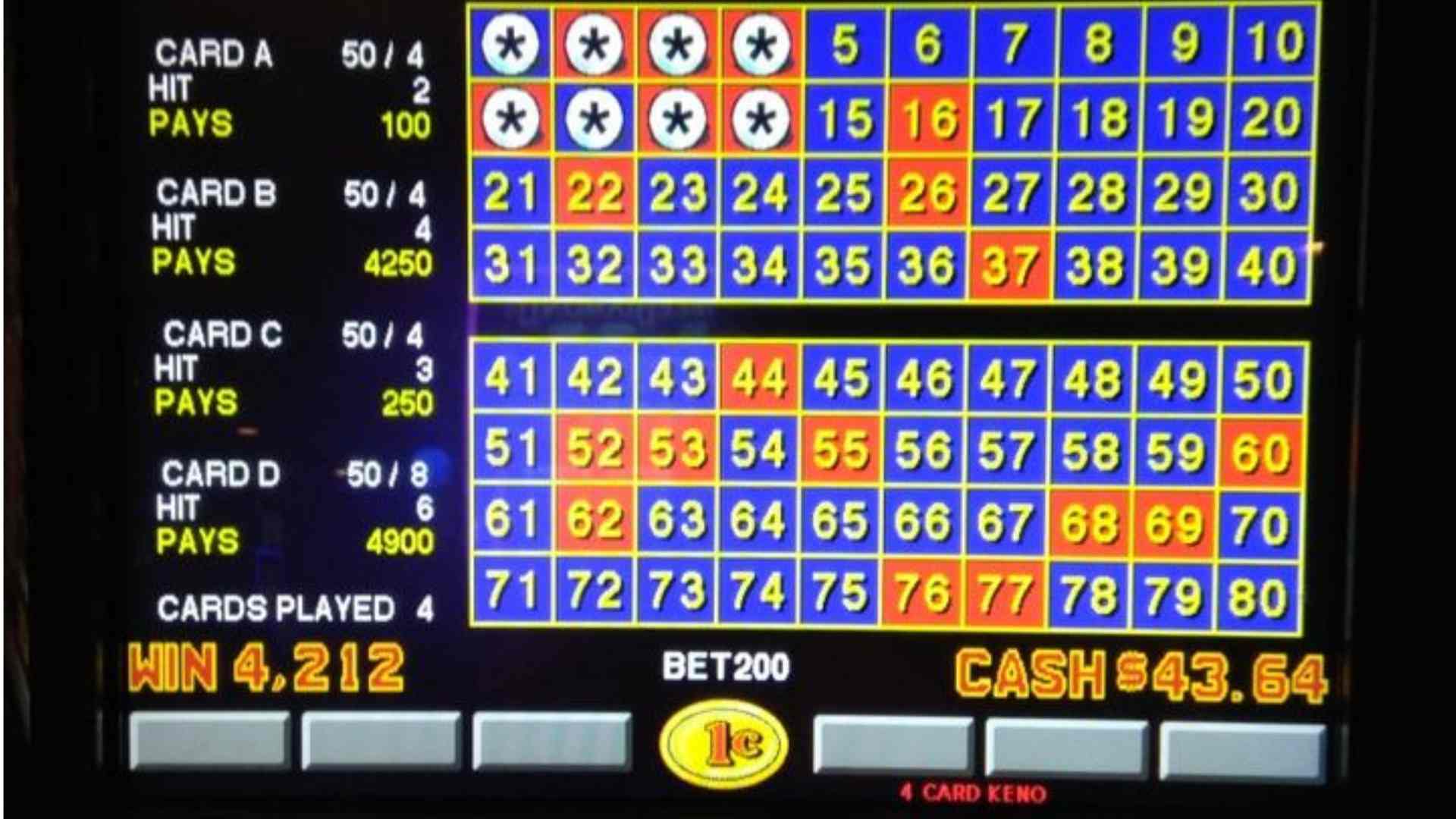
best chance to win lottery How to Compare...
Finding the best chance to win lottery prizes requires looking beyond massive headline jackpots and focusing on mathematical probabilities. While giant multi-state drawings capture public attention, smaller regional lotteries often feature far more favorable winning odds for active players. Learning how to analyze odds across different game formats empowers ticket buyers to make smarter decisions aligned with their personal entertainment budgets.
Understanding Overall Odds Versus Jackpot Odds
When evaluating any lottery ticket, players must distinguish between the overall odds of winning any prize tier and the specific odds of landing the top jackpot. Overall odds account for every lower-level payout, including minor prizes that barely cover the initial ticket cost. Evaluating both figures helps participants understand how often a ticket will yield a return of any size.
Major multi-state drawings feature astronomical jackpot odds because the pool of potential number combinations is exceptionally large. In contrast, daily Pick 3 or Pick 4 drawings limit the selection pool, offering significantly higher statistical chances of winning. Analyzing these mathematical structures allows players to balance grand expectations with realistic probabilities.
Evaluating National Draw Games Against Local Options
National draw games attract millions of buyers due to life-changing prize pools that continuously roll over. However, the probability of selecting all matching numbers in these massive contests remains extremely low. Players seeking a higher frequency of winning outcomes often find better value in state-level games.
Local lotteries limit ticket distribution to a single state or region, which reduces total competition for mid-tier prizes. Many gaming platforms and informational hubs like m88 msports login highlight how mathematical odds vary across different regional and international wagering structures. Choosing games with smaller participant bases generally improves your relative standing in the overall odds pool.
Analyzing Scratch-Off Tickets and Payout Structures
Instant scratch-off cards operate under completely different mathematical rules than live televised drawings. Each scratch-off series is printed with a predetermined total number of winning tickets distributed randomly across batches. Examining the back of the ticket reveals the exact overall odds calculated by the state gaming authority.
Smart players frequently check official state lottery websites to see which top prizes have already been claimed in a specific game run. Buying tickets for a game where major prizes remain unclaimed offers a better practical opportunity than playing an exhausted batch. This proactive research ensures that your money goes toward games with active payout potential.
Comparing Ticket Costs to Potential Returns
The purchase price of a lottery ticket directly influences its underlying payout distribution and tier structure. Premium scratch-off cards with higher price points often feature better overall winning odds compared to basic dollar tickets. However, higher ticket costs require careful bankroll management to prevent overspending on recreational play.
Evaluating expected value helps players determine whether a higher-priced game offers sufficient return potential to justify the cost. Comparing the price per entry against the lower-tier prize structures provides a clear picture of true value. Balancing ticket costs with probability metrics is the most effective approach to lottery selection.

Randomized Reward Features Built For More Engaging Sessions
Modern interactive platforms continually evolve their design architecture to sustain user interest over extended play periods. Integrating randomized reward features has emerged as a fundamental strategy for breaking up predictable routines and maintaining high enthusiasm. By incorporating elements of chance into everyday mechanics, developers successfully turn standard interactions into memorable moments of surprise.
The Dynamic Behind Unpredictable Payouts
Uncertainty plays a powerful role in sharpening human focus and deepening cognitive involvement. When participants perform tasks without knowing the exact outcome, the build-up of anticipation enhances emotional investment in the session. This psychological response ensures that routine actions feel dynamic rather than repetitive.
Furthermore, variable schedules prevent burnout by offering diverse experiences during every login. Rather than following a linear advancement curve, users remain curious about what the next interaction might unlock. This constant state of discovery keeps digital environments vibrant and highly responsive.
Balancing Randomness with Player Progression
While chance creates instant excitement, maintaining long-term trust requires a careful balance between luck and steady growth. Designers often implement minimum thresholds or guaranteed milestone bonuses to shield players from prolonged streaks of poor outcomes. This protective layer ensures that effort remains valued while preserving the thrill of surprise.
Evaluating platform features through comprehensive analysis, such as an insightful m88 review, highlights how structured reward schedules create a fair environment for users. Transparent mechanics allow audiences to enjoy stochastic elements without feeling that their overall progress is arbitrary. Striking this balance is essential for cultivating lasting retention.
Enhancing Session Variety Through Dynamic Drops
Injecting non-fixed rewards directly impacts how users approach different activities within a digital title. Instead of focusing solely on optimized paths, players are encouraged to explore optional content and experimental strategies. The potential for rare discoveries turns secondary objectives into exciting endeavors.
This diversity in potential payouts also fosters vibrant community discussions and shared experiences. Players frequently compare their findings, strategies, and lucky moments, extending engagement beyond the platform itself. Consequently, dynamic drop mechanisms serve as both an internal motivator and a catalyst for social interaction.
The Evolution of Adaptive Reward Frameworks
Looking to the future, the integration of algorithmic adjustments promises even more tailored reward distribution. Systems can analyze user habits to deliver surprise incentives at optimal moments, maximizing satisfaction without disrupting gameplay flow. This personalized approach marks a significant shift from static reward structures to intelligent, responsive ecosystems.
Ultimately, randomized features represent more than simple chance; they are sophisticated tools designed to enrich user experiences. By continually refining how variable incentives are delivered, developers can create balanced, captivating spaces that keep audiences returning for years to come.

Bridge Techniques For Recognizing Hidden Card Patterns
Mastering contract bridge requires more than memorizing basic rules and tracking high cards. Expert players develop a keen ability to uncover hidden card distributions by observing subtle bidding cues, play sequences, and table tempo. By learning to decode these concealed patterns, card players can anticipate defensive maneuvers and make highly accurate decisions at the table.
Analyzing Bidding Sequences for Distribution Clues
The auction phase provides a rich roadmap of how cards are distributed across opposing hands. When an opponent passes or makes a specific bid, they reveal critical boundaries regarding their high-card strength and suit lengths. Paying close attention to these early signals allows declarers to construct an accurate mental picture of unseen cards.
Refining these observational habits helps players evaluate probabilities before the first card is even played. Dedicated card enthusiasts who regularly check an m88 review often value logical deduction and structured strategy across various table games. Recognizing early bidding boundaries eliminates guesswork and sets up a clear plan for trick execution.
Counting Suits to Uncover Missing Honors
Tracking the remaining cards in each suit is one of the most effective ways to identify hidden holdings. As tricks unfold, updating suit counts reveals exact suit splits and pinpoints where key honors must reside. This systematic counting method transforms incomplete information into a clear map of the table.
When a defender fails to follow suit, the exact shape of the remaining hands becomes immediately obvious. Experienced players use this moment to recalculate missing honors and adjust their trick strategy. Consistently counting suits ensures that unexpected card placements do not derail your contract.
Reading Defensive Leads and Signaling Patterns
The choice of an opening lead offers valuable insights into the defender's hand structure. Standard defensive conventions dictate leading specific cards from honor combinations or long suits, giving declarers immediate information. Interpreting these opening moves correctly helps players locate key defensive strength early in the game.
As the hand continues, subtle signaling between defenders provides additional clues about suit preferences. Observing whether a opponent plays a high or low card on a trick helps deduce their remaining length in that suit. Decoding these defensive signals allows declarers to outmaneuver opposing strategies with precision.
Utilizing Inference and Logical Deduction
Inference plays a crucial role when direct clues about card distribution are absent. If a player holding strong suits refrains from bidding aggressively, you can infer a lack of general high-card values. Combining logical deductions with observed table dynamics allows you to locate hidden cards with remarkable accuracy.
Developing sharp deductive skills requires steady practice and active engagement during every trick. By synthesizing information from the auction, opening lead, and defensive plays, you can anticipate hazards before they occur. Mastering these advanced bridge techniques ultimately leads to consistent success and elevated gameplay quality.